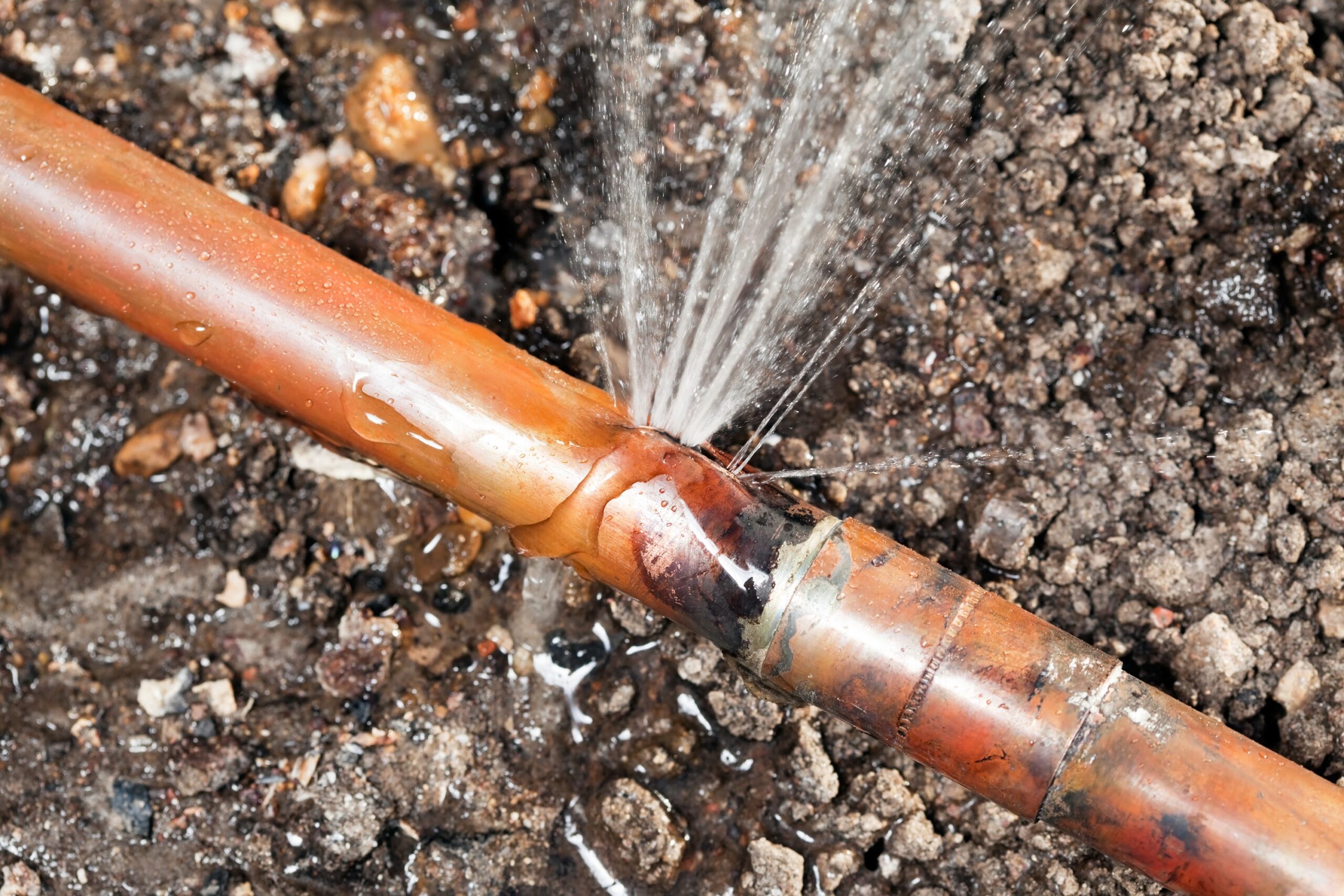
A burst pipe never shows up at a convenient moment. One minute you are relaxing, and the next you hear running water where it shouldn’t be or see a ceiling stain growing by the second. In those first few minutes, small choices matter a lot for how much damage you have to clean up later. At Russo Bros. & Co., we help Northern New Jersey homeowners move from shock to a simple action plan when plumbing emergencies hit.
Stay Calm and Shut off the Water
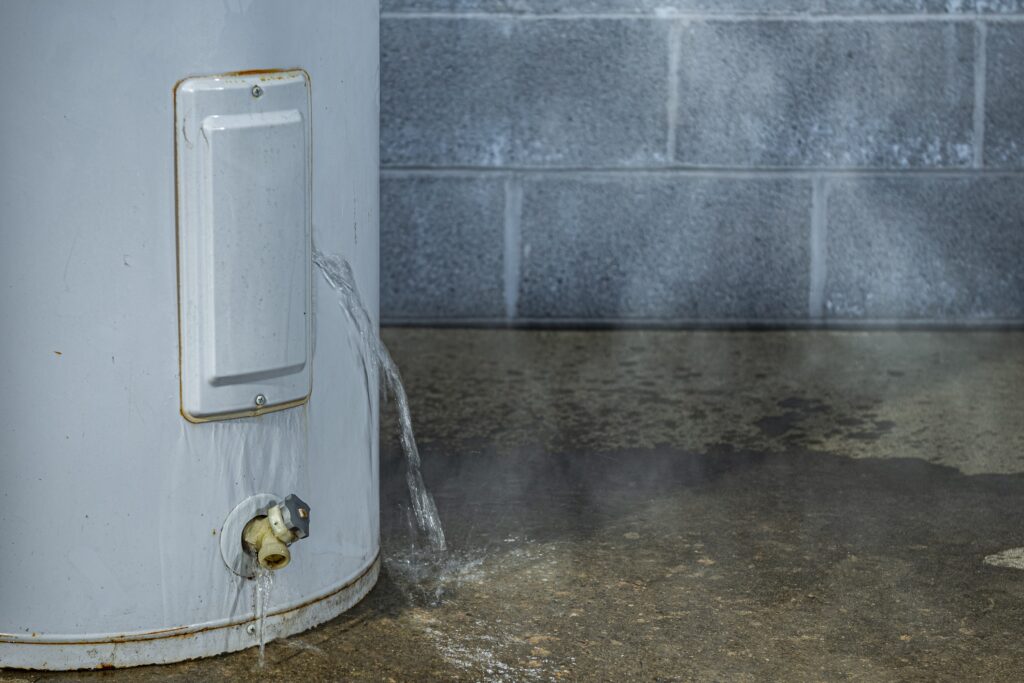
When a pipe bursts, your first move is to stop water from running through it. That starts at the main shutoff. In many homes, the main valve is located where the water line enters the building, typically near a front wall, in a utility room, or near a water heater.
In some neighborhoods, it may be in a ground box near the street. If it is safe to move through the area, go straight to that valve and turn it clockwise until it stops. You will feel resistance as it closes.
Once the main valve is off, turn on a nearby faucet to confirm that the water flow slows and then stops. If the burst is on a branch line and you can reach a nearby local shutoff valve, you can close it as well, but the main supply should remain off.
Do not step into deep or fast-moving water to search for a valve. If you cannot reach it safely, back away, keep family members out of the area, and wait for the emergency plumber.
Cut Power to Wet Areas for Safety
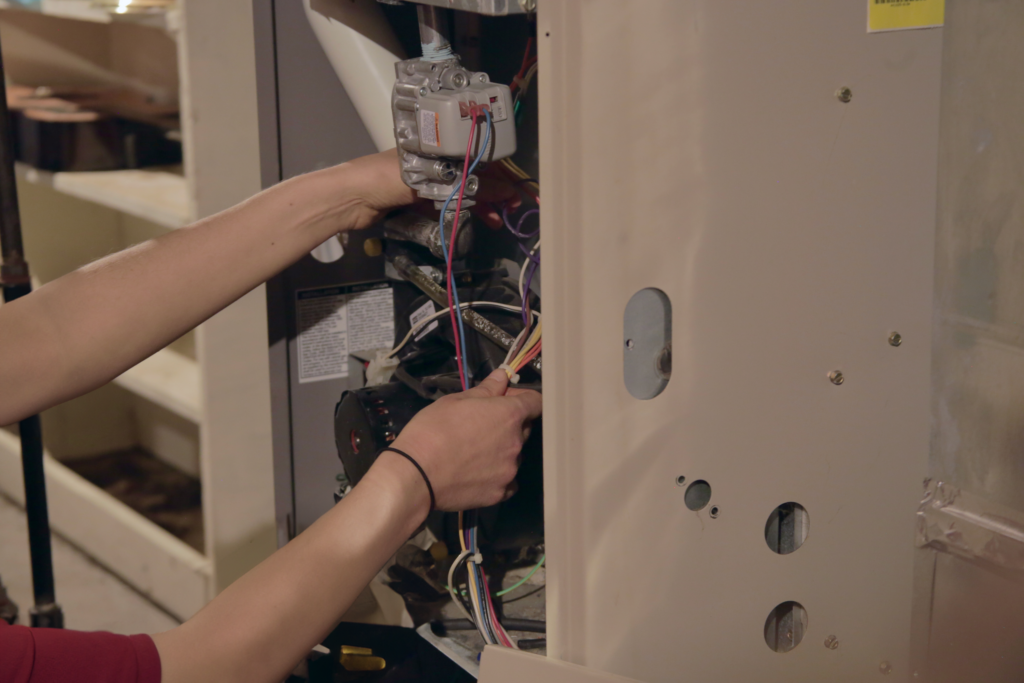
Water and electricity together create a serious risk, so your next focus is power. Look quickly at the area around the leak. If outlets, cords, or power strips are in standing water, or if water is dripping near ceiling fixtures, shut off power to that part of the house.
Go to your electrical panel if the path is dry and the panel itself is not wet. Use a battery-powered flashlight instead of a phone light if possible. Turn off the circuit breakers serving the affected rooms.
If you are unsure which breakers control which rooms, or if water is anywhere near the panel, do not touch it. Leave that step to emergency professionals.
Once power is off in the wet section, you reduce the risk of shocks, short circuits, and electrical damage while you address the plumbing emergency.
Ensure children and pets stay away from wet floors that may conceal electrical hazards, and do not plug in pumps or other tools until a professional has confirmed the area is safe.
Call an Emergency Plumber and Document the Damage
Once the immediate crisis feels under control, it is time to call for emergency plumbing help. When you speak with the dispatcher, share the water source, how long it was running before you shut it off, and which areas of the home are wet.
Mention any ceiling bulges, wall damage, or electrical concerns. Clear information helps the technician arrive with the right tools and materials.
While you wait, take photos and short videos of the affected rooms from different angles. Include close-ups of the damaged areas and wider shots showing the extent of the water damage. This record will help with insurance claims later.
If you have a home insurance policy that covers sudden water damage from burst pipes, call the claims line or use the company’s app to start a claim. The company asks for the date, time, cause, and the steps you have taken so far.
Keep receipts for any emergency service, fans, or temporary lodging if the home is not comfortable to stay in. Do not throw away damaged materials, such as flooring, drywall, or belongings, until your insurer says you can, since they may need to inspect them.
Clear communication now saves time and reduces confusion as repairs progress.
How Professionals Repair Burst Pipes
When an emergency plumber arrives, they start with their own assessment. They will ask you what you saw first, walk through the wet areas, and locate the exact section of pipe that failed.
In many cases, that means opening a section of wall or ceiling to expose the damaged pipe run. Once they can reach it, they will cut out the compromised section and replace it with new pipe and fittings that match the existing material, whether that is copper, PEX, or another type.
They will also look for signs that the problem may extend beyond that one spot, such as corrosion on nearby sections or stress marks along the line.
After the repair, the plumber will slowly restore water service, watching the repaired area and nearby connections for leaks. They may purge air from the system by running faucets and flushing toilets while they check.
If the burst was caused by freezing, they will look for other vulnerable spots in the same area.
If high water pressure appears to be part of the story, they might test the pressure and recommend a pressure-reducing device or other changes.
Their work does not replace the need for a water damage restoration team during more serious events, but it does stop the source and stabilize the plumbing so the rest of the cleanup can proceed.
Preventing Future Burst Pipes
Once the immediate emergency passes, prevention becomes the next focus. A burst pipe often reveals weak points in the system that you can address to avoid a repeat. Exposed pipes in crawl spaces, garages, and exterior walls face a higher risk during cold snaps.
Insulation sleeves and foam wraps help protect those sections. Doors and vents that open to the outside can be sealed or adjusted to prevent cold air from blowing directly onto plumbing runs. On very cold nights, leaving cabinet doors under sinks open can help warmer room air reach pipes along exterior walls.
Water pressure also matters. High pressure places additional strain on fittings and can exacerbate minor issues. A plumber can measure pressure at a hose connection and tell you whether a pressure-reducing valve would help. Regular plumbing inspections provide an opportunity to identify corrosion, older materials nearing the end of their service life, or sections installed in vulnerable locations years ago.
Simple habits support those efforts as well. Pay attention to small leaks, slow drips, and stains on ceilings or walls. Addressing them early usually costs less than waiting for a sudden break. With a plan that includes insulation, pressure control, and routine checkups, you give your plumbing system a better chance of staying intact the next time temperatures drop or the system is under stress.
When a Burst Pipe Turns Into a Plan
Dealing with a burst pipe starts with shutting off the water, protecting your home, and installing a permanent repair so you don’t have to repeat the cleanup later. A calm plan makes it that much easier, even when it feels chaotic in the moment. We handle emergency pipe repairs, leak detection, and long-term pipe replacement when aging lines can no longer be patched.
If you want a plumbing team that you can call the next time water shows up where it shouldn’t, schedule service with Russo Bros. & Co. today.